Description
1956 Ford F100 Interior: The Complete Guide to Building a Premium Classic Truck Cabin
The 1956 Ford F100 is one of the most recognizable classic American pickup trucks ever built. Its distinctive styling, durable truck architecture, and unmistakable mid-century character have made it a favorite among collectors, restorers, hot rod builders, and custom-truck enthusiasts.
While the exterior of a classic F100 often receives the most attention, the interior is just as important to a successful restoration. A freshly painted body, polished wheels, and rebuilt engine can create an impressive first impression, but the driver’s experience ultimately comes from inside the cab.
That is why a thoughtfully designed 1956 Ford F100 interior can make such a dramatic difference.
An original F100 cabin may show decades of wear. Seat upholstery can crack or fade, door panels can deteriorate, kick panels can become damaged, and original visors and hardware may no longer provide the appearance expected from a professionally restored truck. Even when the body is in excellent condition, an unfinished interior can make the entire vehicle feel incomplete.
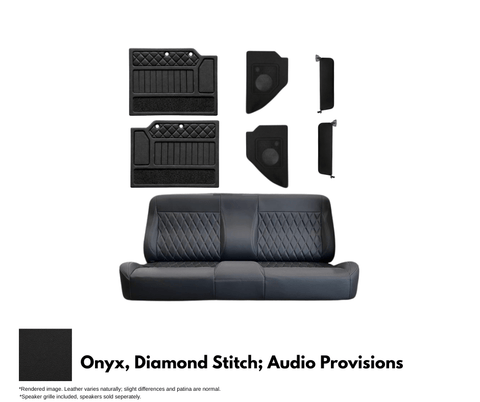
A complete F100 interior kit offers a practical solution. Rather than replacing individual components with mismatched materials and finishes, a coordinated package allows the major interior elements to work together.
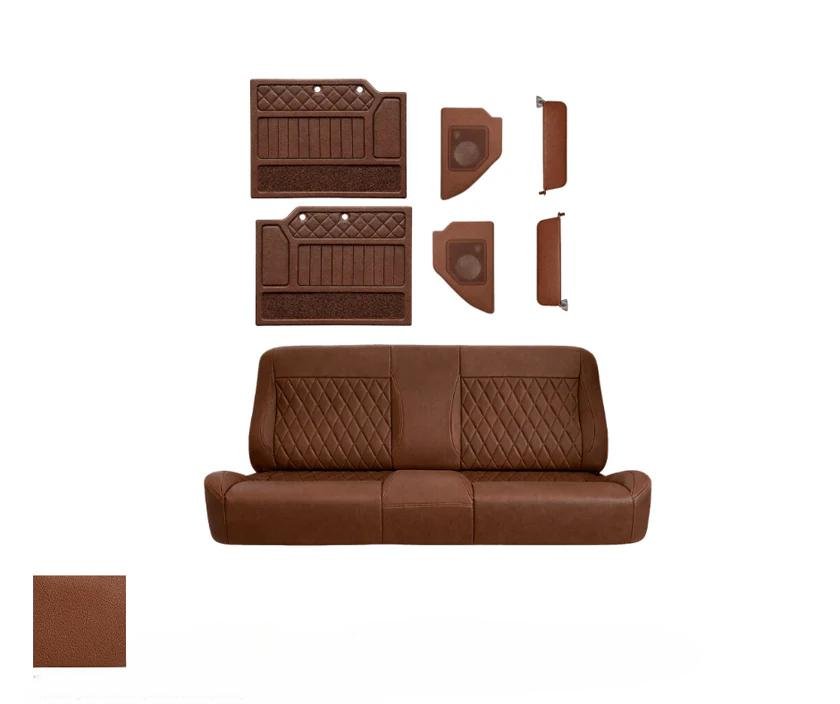
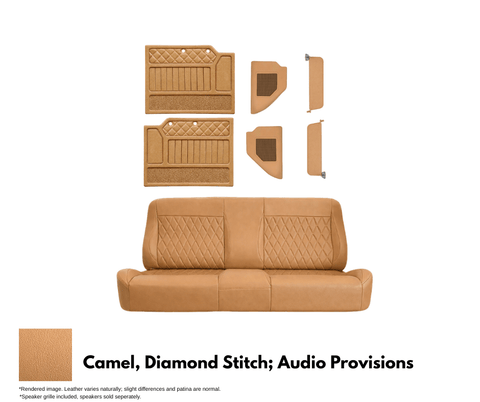
The product featured in this guide provides a comprehensive approach to the classic truck interior. It includes a choice of a bench seat and frame or two bucket seats and frames, two door panels, two kick panels, two brackets and visors, and 100% Italian leather wrapping. Lightweight ABS plastic, polished aluminum trim, and precision CAD design complete the package.
For owners building a traditional restoration, street cruiser, hot rod, or high-end restomod, these features provide the foundation for a refined Ford truck interior that preserves the character of the original F100 while delivering a significantly more premium finish.
Why the 1956 Ford F100 Interior Matters in a Restoration
The interior of a classic pickup has a unique role. It is smaller and simpler than the cabin of a modern truck, which means every visible component carries more visual weight.
A worn seat or damaged door panel does not disappear into a sea of modern electronics and trim. It becomes one of the main things occupants see.
This makes the 56 Ford F100 interior one of the most important areas to address during a restoration.
The Interior Defines the Driving Experience
The seat is where the driver spends every mile. The steering wheel, dashboard, door panels, kick panels, and visor area remain in view throughout the drive.
A carefully restored interior can make an old truck feel dramatically more comfortable and refined without losing its vintage identity.
A Complete Interior Looks More Professional
When each component is selected independently, it can be difficult to maintain consistency.
One supplier might provide a seat in one shade of leather, another might provide door panels with a different texture, and a third might use a different trim finish.
A coordinated F100 interior kit avoids much of that problem by providing multiple components built around the same materials and design approach.
What Is Included in This F100 Interior Kit?
The package is designed to address several of the most visible components inside the cab.
Customers can choose between:
- Bench seat and frame
- Or two bucket seats and frames
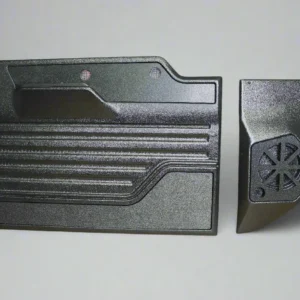
- 2 door panels
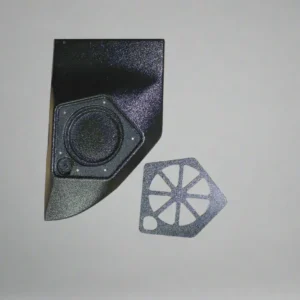
- 2 kick panels
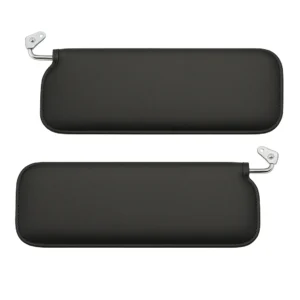
- 2 brackets and visors
- 100% Italian leather wrapping
The package also incorporates lightweight ABS plastic, polished aluminum trim, and precision CAD engineering.
This combination creates a complete starting point for a custom 1956 Ford F100 interior rather than a collection of unrelated replacement parts.
Bench Seat and Frame
The bench seat option is ideal for owners who want to preserve the traditional appearance of the classic Ford pickup cabin.
A bench seat maintains the broad, continuous seating arrangement associated with vintage trucks and can be particularly appropriate for a factory-inspired restoration.
The inclusion of the frame provides the structural foundation beneath the upholstery.
Two Bucket Seats and Frames
For owners building a more customized truck, the package also offers two bucket seats with frames.
Bucket seats can create a more modern and performance-oriented appearance while still fitting naturally into a classic F100.
This option can work especially well in a restomod where the owner wants to combine classic bodywork with modern comfort and premium materials.
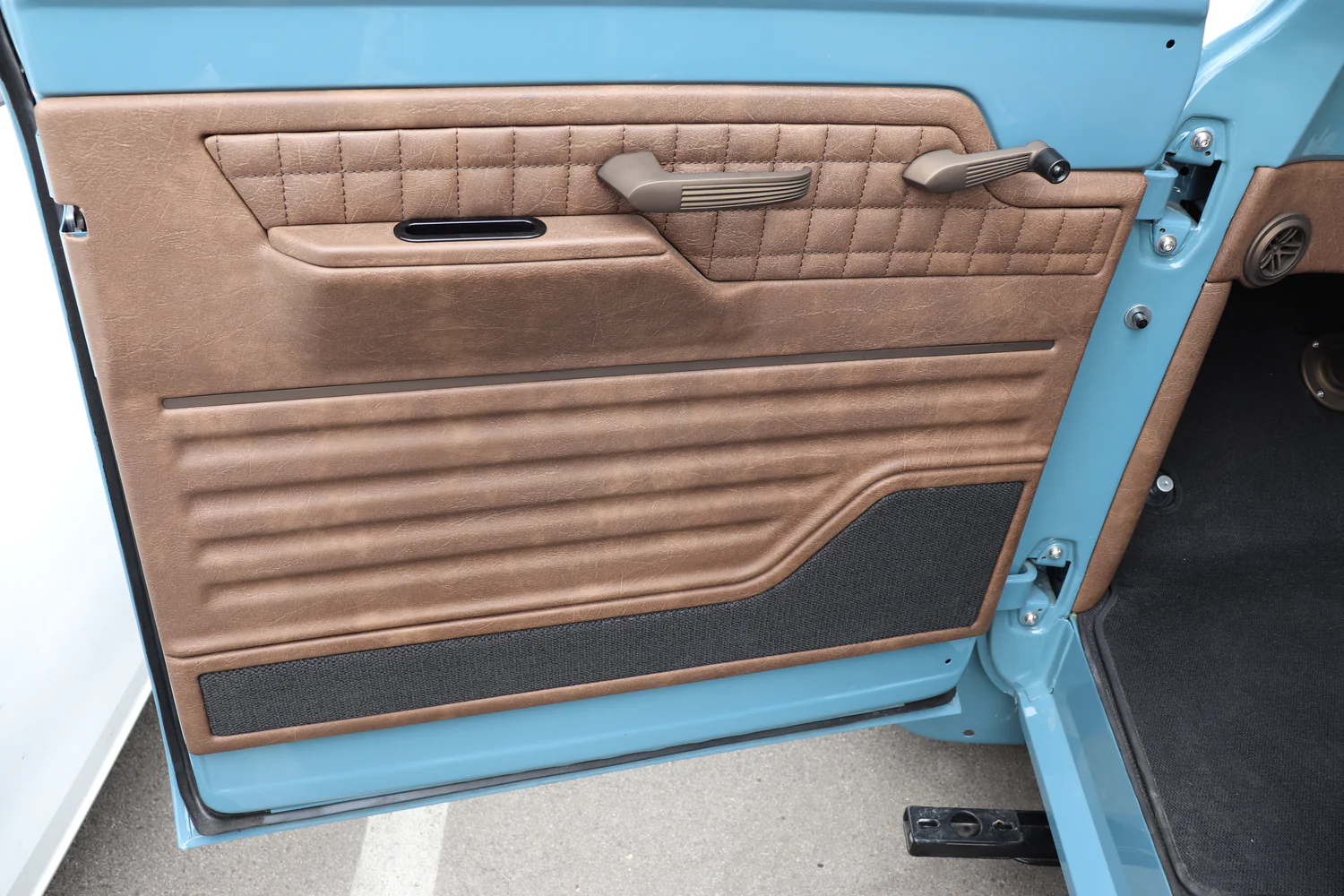
Door Panels
The two included door panels provide a matched treatment on both sides of the cab.
Door panels are among the most visible components in a Ford truck interior, so upgrading them can immediately improve the appearance of the cabin.
A coordinated material and finish also helps connect the seating area with the rest of the interior.
Kick Panels
Kick panels occupy the lower front areas of the cab.
Although they are smaller than the door panels, they contribute to the overall finished appearance and help transition visually from the doors and seats to the floor.
Replacing worn kick panels prevents the lower section of the cabin from becoming the weak point in an otherwise premium restoration.
Brackets and Visors
The kit also includes two brackets and visors.
Sun visors are highly visible in the upper portion of the cab, making them an important part of the complete interior design.
Including these components allows the material and finish to remain consistent across the front of the cabin rather than mixing old original pieces with newly restored surfaces.
100% Italian Leather for a Premium F100 Interior
One of the standout features of this package is the use of 100% Italian leather.
Leather can completely change the character of a classic truck cabin. Instead of simply restoring the original condition, it allows the interior to move into a more refined and luxurious direction.
Why Italian Leather Works in a Classic Ford Truck
The F100 has a rugged, functional heritage. Premium leather creates a compelling balance between that rugged exterior and a more sophisticated interior.
The result can still look authentically classic while providing the visual quality expected from a custom-built truck.
Leather is versatile enough to work in several restoration styles.
It can support a traditional interior with classic colors and restrained stitching, or it can become the foundation of a more dramatic custom design.
Leather Helps Tie the Interior Together
Using the same leather or complementary leather across the seats, door panels, kick panels, and visors creates consistency.
This is one of the major benefits of a coordinated interior kit.
Instead of each component competing for attention, the materials work together to create a single visual theme.
Natural Leather Variation
Customers should expect some natural variation in genuine leather.
Grain, texture, and color can differ slightly between pieces, and lighting can influence the way the finished material appears. Leather dye lots can also create subtle variations.
These characteristics are normal for genuine leather and are part of the material’s natural appearance.
Lightweight ABS Plastic Construction
The product uses lightweight ABS plastic in its interior components.
ABS is well suited to automotive interior applications because it provides a strong and durable foundation without unnecessarily increasing vehicle weight.
For a classic F100, this is particularly useful.
Many owners invest heavily in their trucks to improve performance, drivability, and efficiency. Interior components should provide quality and durability without adding unnecessary mass.
Durability Without Bulk
The ABS construction gives the panels a stable foundation beneath the leather.
It can help maintain the intended shape while supporting a consistent, clean finish.
For a custom truck that may be driven regularly, this combination of durability and light weight is a practical advantage.
Polished Aluminum Trim for a Modern Accent
Another defining feature of the package is polished aluminum trim.
Aluminum provides a clean metallic contrast to the leather and gives the interior a more refined appearance.
This is particularly useful for owners who want to create a custom 1956 Ford F100 interior that combines vintage proportions with updated styling.
Balancing Classic and Modern Design
Too much modern trim can make a vintage truck look disconnected from its origins.
The right amount of polished aluminum, however, can complement the classic body style while adding a premium custom touch.
It can also coordinate with other metallic details throughout the cabin, including hardware, gauges, steering-wheel accents, and exterior brightwork.
Precision CAD Design and OEM-Quality Fit
The interior components are designed using precision CAD technology.
This provides a controlled way to develop the geometry, dimensions, edges, and contours of the components.
For an older truck, this matters because replacement parts need to integrate into a vehicle that may have experienced decades of use, repairs, modifications, and restoration.
Why CAD Engineering Matters
CAD design allows manufacturers to create repeatable shapes and consistent component dimensions.
That can help provide the OEM-quality fit and seamless integration specified for the product.
The objective is not to make the F100 look like a modern truck. It is to provide modern manufacturing accuracy while respecting the proportions and design language of the classic vehicle.
1956 Ford F100 Interior: Building a Complete Design
A high-quality restoration should consider the entire cabin rather than one component at a time.
The 1956 Ford F100 interior should feel cohesive from the roof to the floor.
Start With the Seating
The choice between a bench seat and bucket seats establishes much of the cabin’s personality.
A bench seat supports a traditional restoration, while bucket seats can make the truck feel more custom and performance oriented.
Coordinate the Door Panels
The door panels should use materials and colors that complement the seating.
Because the doors are positioned directly beside the driver and passenger, mismatched materials can be immediately noticeable.
Finish the Lower Cabin With Kick Panels
Kick panels provide the transition between the doors, seats, and floor.
Premium materials here help ensure that the cabin does not become visually inconsistent in the lower sections.
Complete the Upper Front Area With Visors
Visors are another important part of the design.
Coordinating them with the seats and door panels can make the entire front section of the cab feel more unified.
56 Ford F100 Interior: Preserving Classic Character
The phrase 56 Ford F100 interior is often used by enthusiasts searching for parts specifically suited to a 1956 model.
Because classic trucks are so heavily customized today, it is important to distinguish between restoring the original appearance and creating a custom interpretation.
A premium interior kit can support either objective.
Factory-Inspired Restoration
For owners who want to remain closer to the original character, a traditional bench seat, restrained leather color, and classic design can preserve the F100’s vintage personality.
The upgraded materials simply improve the quality of the finished cabin.
Custom Restomod
A restomod may use bucket seats, premium leather, polished aluminum accents, modern audio equipment, custom gauges, and upgraded climate control.
In this case, the kit can provide a strong visual foundation while allowing the rest of the truck to receive modern enhancements.
1955 Ford F100 Interior: Why Nearby Model Years Matter
Owners searching for a 1955 Ford F100 interior may find products advertised for multiple nearby F100 model years.
It is important not to assume that every component is interchangeable simply because the vehicles are from the same general generation.
Body dimensions, mounting points, trim details, and interior components can vary.
Verify Application Before Ordering
When comparing a 1955 and 1956 F100, always review the specific product application rather than relying on a broad keyword.
A search phrase can help locate products, but the product specifications should determine whether the component belongs in the vehicle.
This becomes especially important when working with custom aftermarket parts.
Why a Complete F100 Interior Kit Can Be Better Than Buying Separately
Buying individual components can work, but it often introduces unnecessary complexity.
A complete F100 interior kit provides several advantages.
Consistent Materials
The leather is selected and applied as part of a single overall design.
Coordinated Styling
The seats, door panels, kick panels, and visors can share the same visual language.
Easier Project Planning
The major interior components can be planned around one package rather than multiple vendors and schedules.
Better Overall Cohesion
The finished cabin is more likely to look like one professionally designed interior.
Reduced Guesswork
Instead of trying to determine which replacement parts will match each other, the customer begins with a coordinated foundation.
Bench Seat or Bucket Seats: Which Should You Choose?
The best option depends on the purpose of the truck.
Choose the Bench Seat for a Traditional Look
A bench seat preserves much of the visual identity associated with a classic Ford pickup.
It works especially well for restorations, cruisers, and trucks where the owner wants a period-inspired appearance.
Choose Bucket Seats for a Custom Build
Bucket seats create a sportier, more individualized appearance.
They are particularly effective in restomod builds where the owner wants to combine classic exterior styling with a more modern driving experience.
Think Beyond the Seat
The seating choice should also influence the rest of the interior.
A bucket-seat build may benefit from a more prominent center console, while a traditional bench-seat build may favor a simpler layout.
Common Mistakes When Restoring a Ford Truck Interior
Interior restorations can become more complicated when planning is skipped.
Buying Parts Without a Design Direction
Mixing traditional and modern components without a consistent plan can result in an interior that feels visually disconnected.
Ignoring Nearby Components
A new seat next to faded door panels can make the door panels look even older.
Consider upgrading related components at the same time.
Forgetting Fitment
Classic trucks may have been modified by previous owners.
Check the actual condition of the vehicle before assuming that a modern replacement will install without adjustment.
Choosing Materials Based Only on Appearance
Consider durability, installation requirements, and long-term maintenance in addition to aesthetics.
Rushing Installation
Premium leather and trim should be handled carefully.
Taking time to test fit components and inspect surrounding areas can significantly improve the finished result.
Installation Considerations for a Classic F100
The product is a custom aftermarket component designed for classic vehicles.
Because of the age of these trucks and variations in restorations, repairs, and modifications, minor adjustments, trimming, or fitting may be required.
Inspect the Existing Cab
Before installing the new interior, examine the floor, doors, mounting points, brackets, and surrounding structure.
Look for corrosion, previous repairs, wiring changes, aftermarket insulation, and other modifications.
Test Fit Before Final Installation
Position the seats, door panels, kick panels, visors, and other components before permanently securing them.
This allows the installer to identify any issues early.
Protect the Leather
Italian leather should be protected throughout the installation.
Avoid sharp tools, rough surfaces, unnecessary pressure, and contaminants that could damage the finished upholstery.
Professional Installation Is Recommended
Professional installation is recommended but not required.
For a high-end restoration or show truck, an experienced installer can help produce the cleanest possible final result.
The manufacturer is not responsible for improper installation, installation labor costs, or vehicle modifications required during the process.
Built to Order for Your Classic F100
The interior components are custom aftermarket products designed around the requirements of classic vehicles.
Customers should plan around the stated assembly period of approximately 4–6 weeks.
Shipping is listed as TBD, with an estimate provided.
Because the package is built to order, it should be incorporated into the broader project schedule rather than treated as an immediate off-the-shelf purchase.
Planning ahead can help ensure that the interior components arrive when the truck is ready for final assembly.
Product Disclaimer and Material Variation
Classic vehicles can differ significantly because of previous restorations, repairs, modifications, and replacement components.
The product may therefore require minor adjustment, trimming, or fitting during installation.
Product images may include renderings, prototypes, or example installations. Actual products can vary slightly because of material characteristics, leather dye lots, lighting conditions, and ongoing product improvements.
These are normal considerations when purchasing custom aftermarket components for a vintage vehicle.
Frequently Asked Questions About the 1956 Ford F100 Interior
What is included in the F100 interior kit?
The package includes a choice of bench seat and frame or two bucket seats and frames, two door panels, two kick panels, two brackets and visors, and 100% Italian leather wrapping. The components also use lightweight ABS plastic and polished aluminum trim.
Is the seating available as a bench or bucket seats?
Yes. Customers can choose either a bench seat with frame or two bucket seats with frames.
Is the leather real Italian leather?
Yes. The product uses 100% Italian leather.
Are the frames included?
Yes. Frames are included with the chosen seating configuration.
Does the kit include door panels?
Yes. Two door panels are included.
Are kick panels included?
Yes. Two kick panels are included.
Are visors included?
Yes. The package includes two brackets and visors.
Is polished aluminum included?
Yes. Polished aluminum trim is one of the key features of the kit.
Is this an F100 interior kit or individual parts?
It is a coordinated interior package designed to cover several major areas of the cabin rather than functioning as a single replacement component.
Is this suitable for a 1955 Ford F100 interior?
The specific application should always be confirmed before ordering. Customers researching a 1955 Ford F100 interior should compare the product’s fitment information with their exact vehicle.
How long does assembly take?
The stated assembly time is approximately 4–6 weeks.
Transform Your 1956 Ford F100 Interior
A classic truck restoration is about preserving character while improving quality.
The 1956 Ford F100 interior is one of the most important areas of the vehicle because it is where the owner and passengers experience the truck on every drive.
A coordinated interior package makes it possible to upgrade that experience without sacrificing the visual identity of the classic F100.
The featured package includes a choice of bench or bucket seating, door panels, kick panels, brackets and visors, and premium Italian leather throughout. Lightweight ABS plastic provides a strong foundation, while polished aluminum trim adds a refined metallic accent. Precision CAD design supports an OEM-quality fit and seamless integration.
For enthusiasts researching a Ford truck interior, the advantage of this approach is consistency. Instead of combining unrelated aftermarket components, the major interior elements can share the same materials, finish, and design language.
Customers searching for a 56 Ford F100 interior can use the model-specific terminology to find relevant products while still verifying exact fitment before purchase.
Likewise, a 1955 Ford F100 interior should be evaluated separately rather than assuming every component from a nearby model year is interchangeable.
A complete F100 interior should feel intentional from front to back. The seats should complement the door panels. The kick panels should transition naturally into the floor. The visors should reinforce the upper section of the cabin. The metal trim should coordinate with the truck’s other finishes.
When those components work together, the result is far more impressive than a collection of individual upgrades.
For anyone serious about restoring or customizing a classic F100, a premium F100 interior kit offers a practical foundation for creating a cabin that is comfortable, refined, durable, and unmistakably true to the character of the truck.
The 1956 F100 already has the heritage and styling to stand out. The right interior simply ensures that the inside of the truck is every bit as impressive as the exterior.
Reviews
There are no reviews yet.