
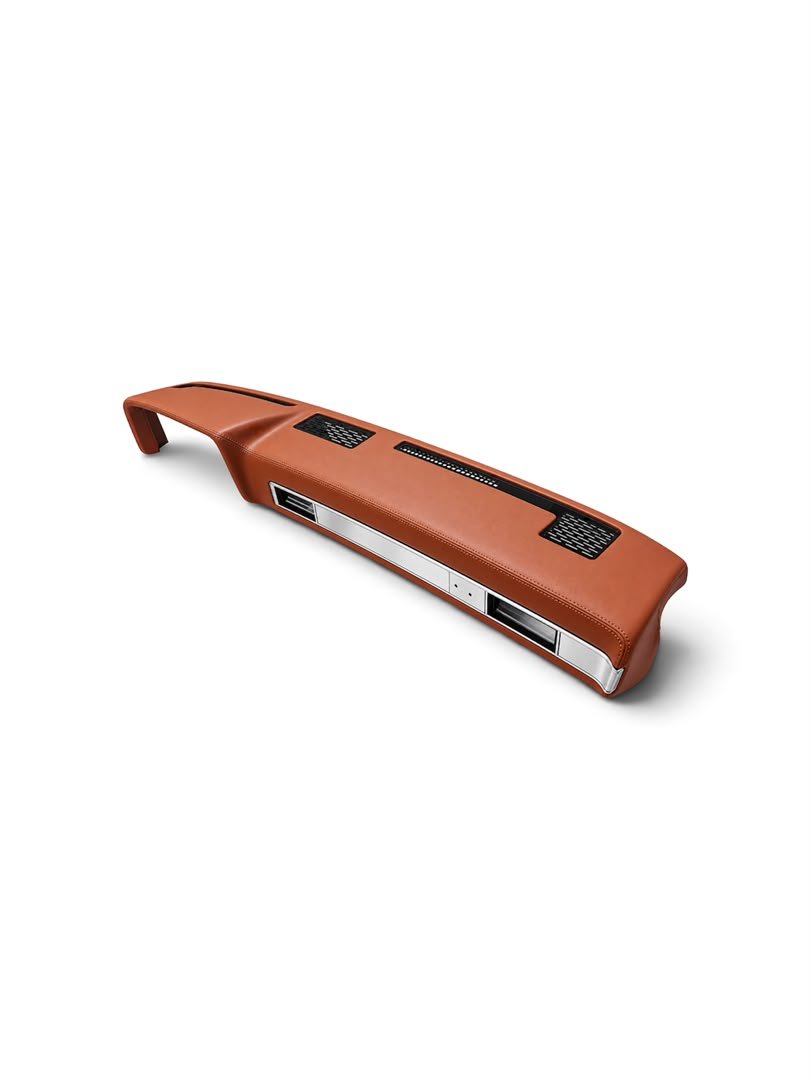
Description
Squarebody Dash Replacement: The Complete Guide to Restoring Your Classic Chevy Truck Interior
A classic Squarebody truck deserves an interior that looks as good as the rest of the build. For many owners, the dashboard is one of the first areas that shows its age. Years of sun exposure, temperature changes, vibration, and everyday use can leave the original dash cracked, faded, warped, or simply worn out. Replacing it with a quality Squarebody dash can transform the appearance of the entire cab while making the truck feel cleaner, newer, and more complete.
The Chevrolet and GMC Squarebody platform remains one of the most popular generations of classic American trucks. Produced primarily from 1973 through 1987, these trucks have developed a strong following among restorers, collectors, daily drivers, and custom builders. Because so many examples remain on the road, there is also strong demand for replacement interior components, especially the dashboard and dash pad.
A replacement squarebody dash pad is more than a cosmetic upgrade. The right replacement can restore the original appearance of the cab, provide a better foundation for gauges and trim, and eliminate the distraction of a damaged factory dashboard. Whether you are completing a full restoration or simply trying to improve the interior of a well-loved pickup, understanding your options will help you choose the right replacement.
What Is a Squarebody Dash?
The term Squarebody dash generally refers to the dashboard assembly used in Chevrolet and GMC C/K trucks from the 1973–1987 era. The nickname “Squarebody” comes from the distinctive boxy body design of this generation, which became one of the most recognizable truck silhouettes of its time.
The dashboard is a major focal point inside the cab. It surrounds the instrument cluster, houses essential controls, incorporates the glove box and vents, and provides the mounting structure for various interior components. Because it occupies such a large portion of the driver’s field of view, its condition can have a significant impact on how the entire truck interior looks.
A damaged dashboard is especially noticeable in an older truck. Cracks and discoloration can make an otherwise beautiful restoration appear incomplete. In some cases, a deteriorated dash can also create loose trim, poor-fitting components, or rattling noises.
Replacing the dashboard gives owners an opportunity to bring the interior back to a condition that better matches the exterior and mechanical work already invested in the truck.
Why Squarebody Dash Pads Crack and Deteriorate
The original dashboard in a classic truck has had decades to experience environmental stress. Even a truck that spends most of its life inside a garage can develop dashboard damage over time.
Sun Exposure and UV Damage
One of the biggest causes of dashboard deterioration is sunlight. UV exposure gradually breaks down interior materials, leading to fading, drying, brittleness, and cracking. Trucks that spent years parked outside are especially likely to have severe dash damage.
Temperature changes can make the problem worse. A dashboard may become extremely hot during summer afternoons before cooling rapidly at night. Repeated expansion and contraction places additional stress on older materials.
Age and Material Fatigue
Even without extreme sun exposure, decades of aging can cause original dash materials to become brittle. A square body dash pad that looked fine years ago may eventually develop small cracks that spread across the surface.
Once cracking starts, repairs can be difficult to make invisible. Filling or covering damaged areas may temporarily improve the appearance, but a heavily deteriorated dashboard is often better served by complete replacement.
Vibration and Daily Use
Classic trucks are not always as quiet or refined as modern vehicles. Road vibration, engine vibration, and years of repeated use can gradually loosen or stress interior components.
When an older dashboard becomes brittle, normal vibration may accelerate cracking around mounting points, vents, gauge openings, and other high-stress areas.
Why Replace a Square Body Dash Instead of Repairing It?
Repairing an original dashboard can make sense when the damage is minor and the owner wants to preserve as much of the original component as possible. However, replacement is often the more practical solution when the damage is extensive.
A new square body dash pad provides a clean surface and can eliminate multiple cracks, faded areas, and damaged sections at once. Instead of trying to hide years of wear, the replacement creates a fresh starting point for the rest of the interior restoration.
A replacement can also make sense when the truck is undergoing a broader restoration. If the seats, carpet, door panels, steering wheel, and headliner are being replaced, leaving a heavily cracked original dash in place can make the finished interior look unfinished.
For many owners, the dashboard is one of those components where a relatively focused upgrade produces a noticeable visual improvement.
Choosing the Right Squarebody Dash Replacement
Not every replacement dashboard is identical. Before purchasing, it is important to confirm compatibility with the truck and determine what type of replacement you actually need.
Confirm Your Truck’s Year and Configuration
Squarebody trucks span multiple model years, and details can vary between applications. Make sure the replacement is designed for your specific year and model.
This is particularly important when shopping for a 73 87 c10 dash pad or other model-specific replacement. Product descriptions can use several different naming conventions, so compare the listed application information carefully.
Owners of a 1973–1987 Chevrolet C10 should pay close attention to fitment information for a 73-87 c10 dash pad rather than relying solely on a generic “Squarebody” description.
Compare the Original and Replacement Design
A high-quality replacement should closely replicate the shape, mounting locations, openings, and overall appearance of the original component. Look carefully at details such as instrument cluster openings, defroster vents, speaker locations, trim areas, and mounting points.
A proper-fitting replacement can make installation significantly easier and help the finished dash look more factory-correct.
Consider the Material and Finish
The material used in a replacement dash affects its appearance, durability, and long-term performance. Look for a product designed specifically for automotive interior use and intended to handle the conditions found inside a truck cabin.
The finish should also work with your restoration goals. Some owners want a factory-style appearance, while others are building a custom interior and may want a different color or finish.
Finding the Correct C10 Dash Pad
The C10 is one of the most recognizable Chevrolet applications in the Squarebody family, making the c10 dash pad a popular restoration component.
When searching for a replacement, you may encounter several variations of the same search term. A customer might search for “C10 dash replacement,” “C10 dashboard,” or 73-87 c10 dash pad. These phrases can refer to similar products, but it is still important to verify the exact year and application before purchasing.
A proper C10 replacement should complement the truck’s original interior design while providing a solid, clean surface for the factory-style controls and gauges.
For owners restoring a truck to a period-correct appearance, matching the dashboard to the rest of the cab is especially important. A modern-looking interior component may stand out if the goal is an authentic classic presentation.
Understanding the 1985 C10 Dash
The 1985 c10 dash is particularly relevant to owners restoring a later Squarebody. By this point in the generation, the truck had decades of design evolution behind it, but it still retained the familiar Squarebody identity that makes these trucks so popular today.
If you are searching specifically for a 1985 c10 dash replacement, do not assume that every replacement advertised for a Squarebody automatically fits. Carefully review the listed application years and compare the replacement with the dashboard currently installed in your truck.
For a restoration project, documenting the original interior before removing the old dash can also be helpful. Take photos of the gauge cluster, wiring connections, brackets, vents, switches, and trim. These reference photos can make reassembly much easier.
Chevy Dash Replacement: What to Look For
A chevy dash replacement should do more than simply cover an old cracked surface. It should integrate properly with the truck’s existing interior components.
Look for a replacement that offers:
- Correct vehicle-year compatibility
- Accurate shape and mounting locations
- Proper openings for the instrument cluster and controls
- Durable automotive-grade construction
- A finish that complements the original interior
- A clean factory-style appearance
- Reliable fit around vents, trim, and related components
A good replacement should look like it belongs in the truck rather than looking like an aftermarket piece that was added as an afterthought.
For a restoration-minded owner, fit and appearance are equally important. A dashboard that fits poorly can create gaps, alignment issues, rattles, or difficulty reinstalling surrounding trim.
Is a Chevy Silverado Dash the Same as a Squarebody Dash?
Searchers sometimes use terms such as chevy silverado dash when looking for Chevrolet truck dashboard parts. However, it is important to distinguish between different generations of Chevrolet trucks.
“Silverado” has been used across multiple Chevrolet truck generations and can refer to different configurations and model years. A Squarebody truck should not automatically be matched with a later Silverado dashboard simply because both are Chevrolet pickups.
When searching for replacement parts, always use the truck’s exact year and model in addition to broader terms. For example, searching for “1985 C10 dash” is far more specific than searching for “Chevy Silverado dash.”
Specific fitment information is one of the best ways to avoid purchasing a part that looks similar but does not install correctly.
Step-by-Step Considerations Before Installing a Squarebody Dashboard
Dashboard installation can range from a straightforward replacement to a more involved restoration project depending on the condition of the truck.
1. Inspect the Existing Dash
Before purchasing anything, inspect the condition of the current dashboard. Look for cracks, missing pieces, warped sections, loose fasteners, damaged vents, and areas where the material has separated from the underlying structure.
Also inspect nearby components. A dashboard replacement may reveal worn wiring, brittle connectors, deteriorated insulation, or damaged trim that should be addressed at the same time.
2. Photograph and Label Components
Take clear photos before disassembly. Label wiring connections and keep related hardware together.
Classic trucks often have decades of modifications, so your truck may not exactly match a factory diagram or online restoration guide. Photos of the truck before disassembly provide a valuable reference.
3. Inspect the Instrument Cluster
The instrument cluster is one of the most important components that interfaces with the dashboard. While everything is accessible, inspect the cluster housing, bulbs, wiring, connectors, and gauge condition.
A dash replacement is a convenient opportunity to address minor issues that would otherwise require removing the dashboard again later.
4. Check Vent and Trim Components
Inspect the HVAC vents, bezels, glove box components, trim panels, and mounting hardware. Replace damaged pieces as necessary so the finished dashboard has a consistent appearance.
A new dash pad paired with cracked or missing trim may still make the interior look unfinished.
5. Test Everything Before Final Assembly
Before completely securing the replacement, confirm that the gauges, switches, lighting, HVAC controls, vents, and other relevant components operate correctly.
Taking the time to test systems while access is easy can save substantial effort later.
Benefits of a New Square Body Dashboard
Replacing an old dashboard provides several advantages beyond improving the visual appearance of the cab.
A Cleaner Interior
A fresh dashboard immediately improves the visual presentation of a classic truck. It can make the entire interior look more cared for and cohesive.
Better Restoration Results
The dashboard is highly visible, so it plays an important role in a restoration. A new replacement can help bring together the seats, carpet, door panels, steering wheel, and other interior upgrades.
Improved Driving Experience
A cracked dashboard can be distracting, especially when damaged sections reflect sunlight or create loose edges and rattles. A clean, properly installed replacement helps the cab feel more finished.
Greater Pride of Ownership
Classic trucks are often personal projects. Even small details matter when the goal is to build a truck that looks and feels right. A properly restored dashboard can be one of the details that makes the interior stand out.
Squarebody Dashboard Restoration Tips
When restoring a square body dashboard, avoid treating the dashboard as an isolated component. The best results come from considering the entire interior.
Start by deciding what kind of restoration you want. A factory-correct build may call for an appearance close to the original specifications. A restomod may use upgraded gauges, improved electronics, modern audio equipment, or custom trim.
Either way, the dashboard should support the overall design.
Match the Dashboard to the Interior
Consider the dashboard alongside the seats, carpeting, door panels, steering wheel, headliner, and center console if applicable.
A replacement dash in a mismatched color or finish can look out of place. Matching the interior materials and colors creates a much more polished result.
Upgrade Related Components While Accessible
Dashboard work often provides access to components that are difficult to reach once everything is assembled. Consider inspecting the wiring, heater controls, gauge lighting, switches, and ventilation components while the area is open.
The goal is not to replace parts unnecessarily. Instead, identify problems that are already present and address them while the dashboard is accessible.
Preserve Original Parts When Appropriate
Even when installing a replacement, keep usable original components. Original trim, hardware, gauges, and other pieces can be valuable for future restoration work.
If the truck has historical or collector value, document the original components and modifications made during restoration.
Common Mistakes to Avoid When Replacing a C10 Dash
A dashboard replacement can be a rewarding project, but several common mistakes can cause unnecessary frustration.
Buying Without Confirming Fitment
The biggest mistake is ordering based only on appearance. A part can look nearly identical in a photograph but have different mounting locations, openings, or dimensions.
Always confirm the year and model application before ordering.
Rushing Disassembly
Pulling the old dash out without documenting the wiring and hardware can turn a straightforward project into a guessing game.
Take photos, label connectors, and organize fasteners before removing anything.
Ignoring Underlying Problems
A new dash will not fix damaged wiring, broken switches, faulty gauges, or other problems hidden underneath. Inspect everything you can access during the project.
Focusing Only on Appearance
A dashboard should look good, but function matters too. Make sure the instrument cluster, controls, vents, and connected components are properly installed and operational.
Using the Wrong Search Terms Without Checking the Details
Online parts catalogs may use multiple names for similar components. A search for squarebody dash pad, square body dash pad, or C10 dash pad can return a mixture of different applications.
Use keyword variations to find products, but always use the manufacturer’s or seller’s specific fitment information to make the final decision.
Frequently Asked Questions About Squarebody Dash Replacements
What years are considered Squarebody trucks?
The term Squarebody is commonly used for Chevrolet and GMC C/K trucks from the 1973–1987 generation. Exact applications and trim details can vary, so parts should still be matched to the specific truck.
What is the difference between a dash and a dash pad?
The terms are sometimes used interchangeably, but they can describe different components depending on the supplier and product design. A dash pad generally refers to the padded upper portion of the dashboard, while “dashboard” can refer more broadly to the complete assembly and related components.
Always review the product description to determine exactly what is included.
Is a C10 dash pad difficult to replace?
Installation difficulty depends on the truck’s condition, the specific replacement, and whether previous owners have modified the wiring or interior. Proper preparation, labeling, and documentation can make the process much easier.
How do I know which 73-87 C10 dash pad I need?
Start with the exact model year of the truck and then compare the replacement’s stated application, dimensions, mounting points, and openings with the original part. For example, someone working on a 1985 truck should specifically verify compatibility with a 1985 c10 dash replacement.
Can replacing the dash improve the value of my truck?
A quality restoration can improve the overall presentation and desirability of a classic vehicle, but the effect on value depends on the truck’s condition, originality, workmanship, documentation, and overall market demand. A dashboard replacement is best viewed as part of a complete restoration strategy rather than a guaranteed increase in value.
Make Your Squarebody Interior Look Complete Again
For classic Chevrolet and GMC truck owners, the dashboard is one of the most important visual elements inside the cab. A cracked or deteriorated original can distract from an otherwise impressive restoration, while a properly fitted replacement can give the interior a cleaner, more finished appearance.
Whether you are searching for a Squarebody dash, squarebody dash pad, square body dash, square body dash pad, chevy dash, chevy silverado dash, or a specific c10 dash pad, the most important consideration is always correct application and quality construction.
Owners working on later trucks should pay particular attention to the exact model year. A customer looking for an 1985 c10 dash replacement or 1985 c10 dash should verify compatibility specifically for that truck rather than assuming every Squarebody component is identical.
The same principle applies when searching for a 73 87 c10 dash pad or 73-87 c10 dash pad. Search terminology may vary, but accurate fitment remains the deciding factor.
A well-chosen replacement can do more than hide cracks. It can restore the character of the cab, complement the rest of the interior, and help preserve the unmistakable style that made the Squarebody generation such an enduring part of Chevrolet and GMC truck history.
For anyone restoring one of these classic pickups, a quality square body dashboard is a worthwhile investment in both appearance and long-term enjoyment. When the dashboard, gauges, trim, seating, and other interior components work together, the result is a cab that feels complete—and a classic truck that is much more enjoyable every time you get behind the wheel.
Reviews
There are no reviews yet.